Artificially Ripened vs. Naturally Ripened Mangoes (How to Tell)

How to Identify Artificially Ripened vs. Naturally Ripened Mangoes
Mango season is the highlight of the summer, but unfortunately, it brings a hidden danger to our dining tables. To meet high market demand, many local vendors use harmful chemicals like Calcium Carbide to ripen mangoes artificially overnight. Not only does this ruin the authentic flavor, but it also introduces dangerous toxins into your body.
At Online Mangoes Pakistan (OMP), our family has been cultivating mangoes for generations. We believe you deserve pure, safe, and nutritious fruit. Here is a quick guide to help you identify the difference between chemically ripened and naturally ripened mangoes.
1. Look at the Skin Color (The Visual Test)
⚠️ Artificially Ripened: You will notice a patchy, unnatural color. The mango might look bright yellow in some spots but completely green in others. The color feels “painted on” rather than naturally blended.
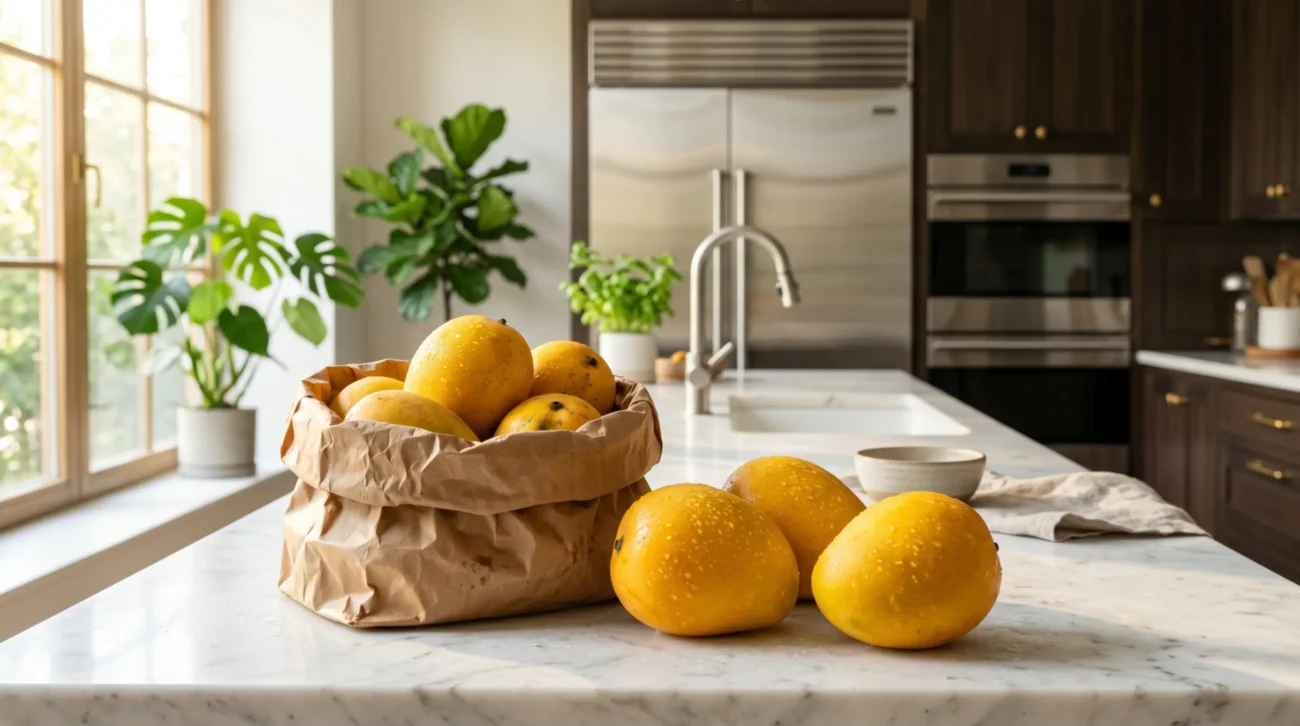
✅ Naturally Ripened: The transition of color is uniform and gradual. Even late-season varieties like our Black Chaunsa (which actually maintains a greenish-yellow hue when fully ripe) will have a consistent, natural-looking skin without harsh patches.
2. Feel the Texture (The Touch Test)
⚠️ Artificially Ripened: The outside of the mango might feel soft and ripe, but when you cut into it, the center near the seed remains hard, pale, and raw.
✅ Naturally Ripened: The fruit feels uniformly soft but firm to the touch. When you slice it, the flesh is completely tender and juicy all the way to the seed.
3. The Float Test (The Water Method)
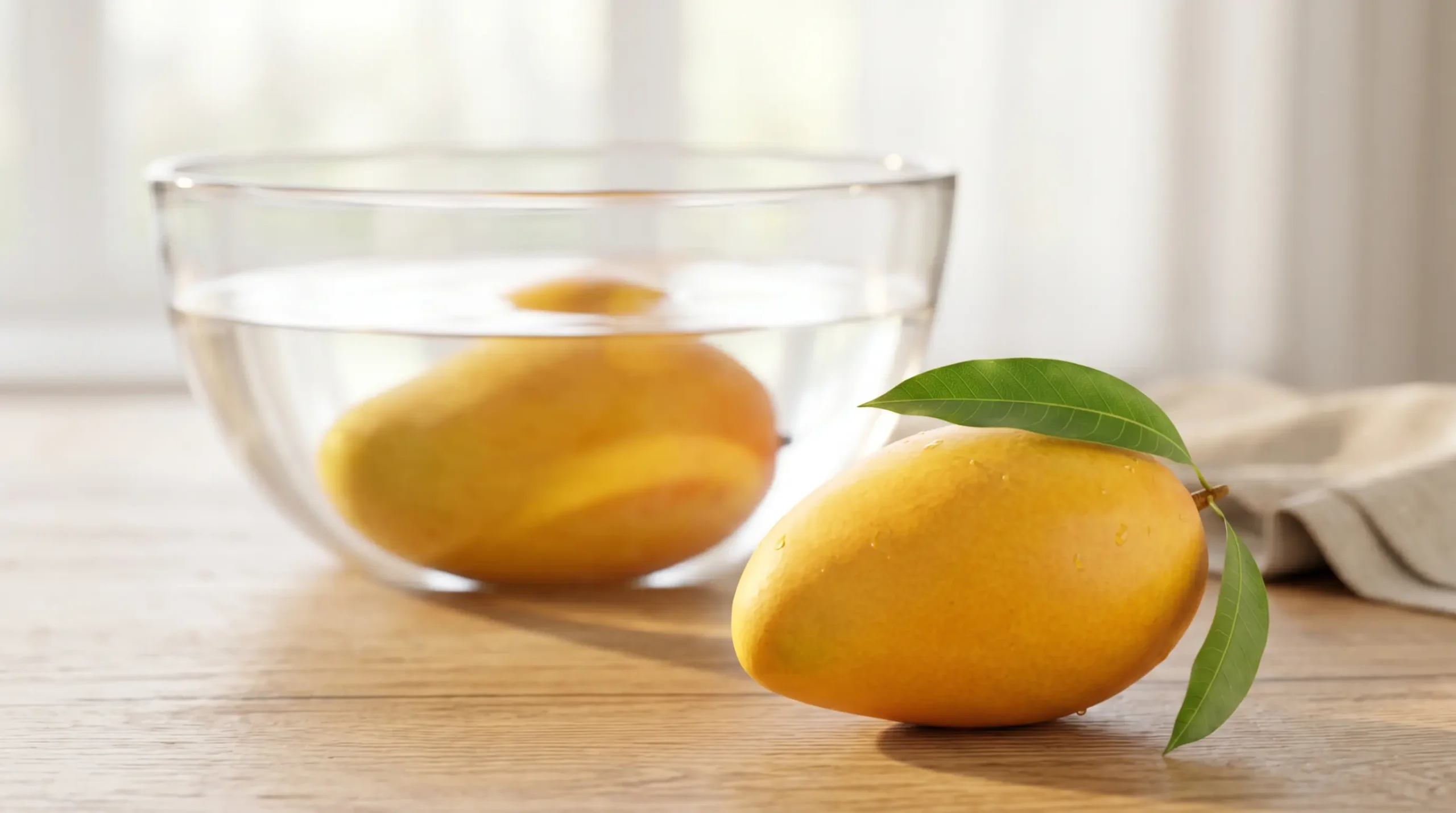
Here is a simple trick you can do at home: Drop your mango into a bucket of water.
- Sinks to the Bottom: Congratulations, it is naturally ripened!
- Floats on Top: This usually means the mango was harvested prematurely and forced to ripen with chemicals.
4. The Aroma and Juice (The Ultimate Taste Test)
⚠️ Artificially Ripened: It lacks that signature, room-filling Multani aroma. The taste is mild, sometimes carrying a faint, harsh chemical aftertaste, and the fruit yields very little juice.
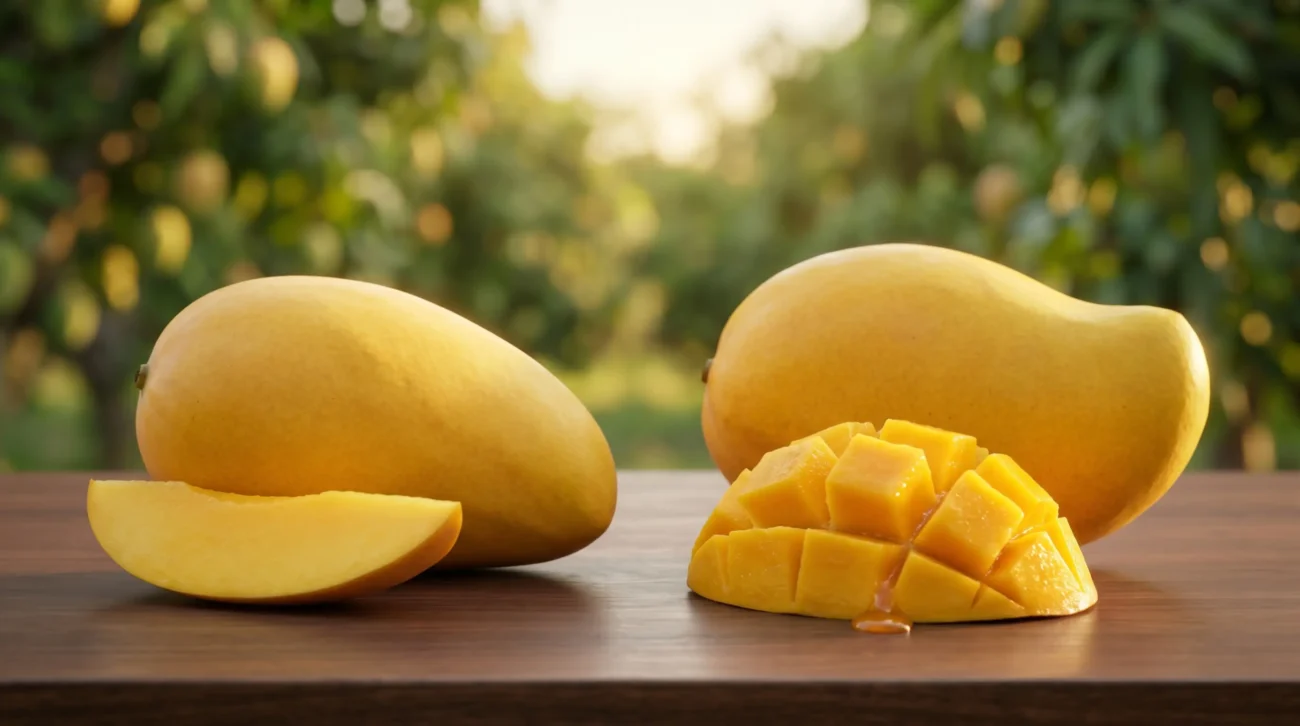
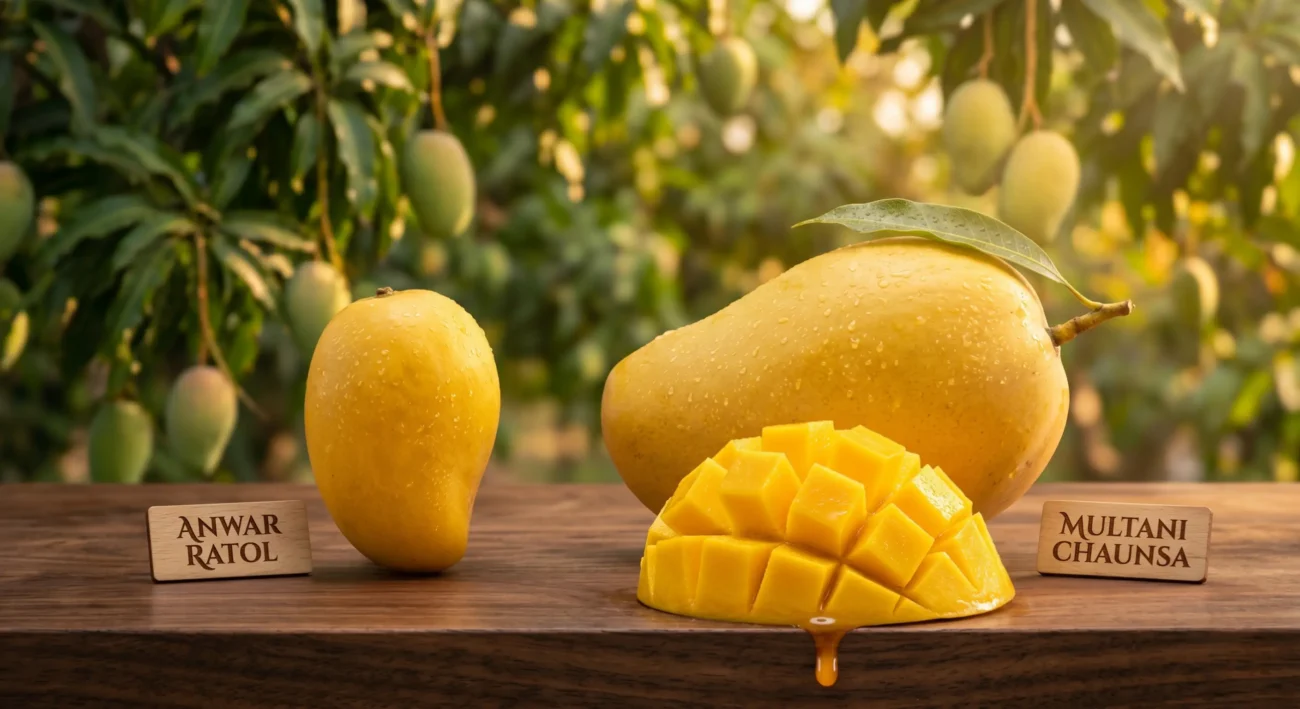
✅ Naturally Ripened: A naturally ripened Multani Chaunsa or Anwar Ratol will fill your entire kitchen with its sweet fragrance before you even cut it. The flesh is incredibly sweet, dripping with natural nectar.
The OMP Guarantee: 100% Carbide-Free
Why risk your family’s health with market mangoes? At OMP, we bypass the middlemen entirely. Every single mango in our premium 8kg export boxes is allowed to mature on the tree and is ripened using safe, traditional, and 100% organic methods.
Frequently Asked Questions
How can you tell if a mango is artificially ripened?
Artificially ripened mangoes often have patchy skin colors, a mild or chemical-like aroma, and might float when placed in a bucket of water. They also tend to be hard in the center despite feeling soft outside.
Are carbide-free mangoes safe to eat?
Yes! Carbide-free mangoes are naturally ripened without harmful chemicals like Calcium Carbide, making them 100% safe, highly nutritious, and naturally sweeter.
Eat Safe, Eat Sweet!
Ensure your family enjoys the purest fruit this summer. Order your farm-fresh, naturally ripened harvest today and experience the authentic taste of Multan.
Shop 100% Safe & Organic Mangoes